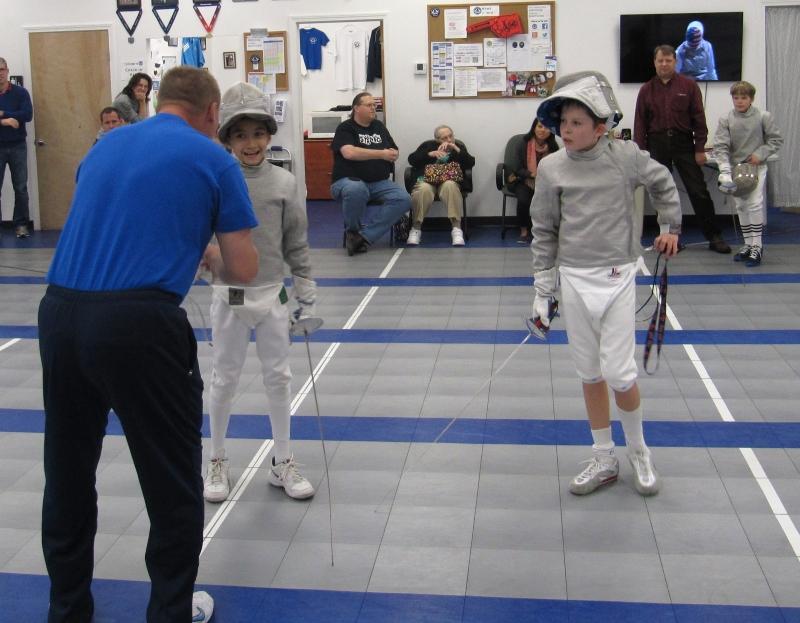
Competitive Saber Fencing for Youth Ages 9–15 in Boston – Watertown, MA

COMPETITIVE SABER | AGES 9–15

Competitive Saber for Ages 9–15
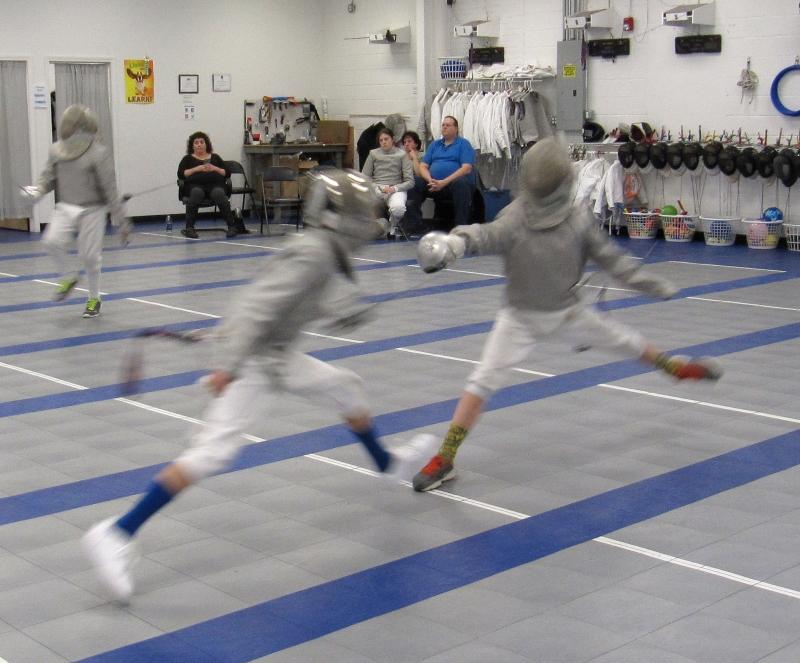
FAB’s Competitive Class is the next stage for young fencers who are ready to turn strong fundamentals into focused training, tactical development, and real competition experience.

Students train in saber through structured group practice, individual coaching, intensive footwork and bladework, tactical exercises, practice bouting, and tournament preparation.

Many FAB competitive fencers build their foundation through Fabbies or Youth Beginner before moving into this program. Students who begin fencing later are equally welcome—the right starting point and progression are determined by each fencer’s skills, commitment, development, and coach evaluation.

Two fencers in full protective gear engage on an indoor fencing strip, with spectators watching in the background.

FAB COMPETITIVE PATHWAY

Program at a Glance

AGE RANGE

Ages 6–15

EXPERIENCE LEVEL

Competitive Development

Frequency

Multiple Practices Per Week

CURRENT TUITION

$700 Monthly

PRIVATE COACHING

Part of Competitive Development

GOAL

Tournament Preparation & Progression

Is the Competitive Class the Right Next Step?

Competitive training is more than simply taking a harder fencing class. It requires stronger fundamentals, consistent practice, a willingness to learn from both victories and losses, and growing responsibility for the fencer’s own development.

Previous competitive experience is helpful, but it is not the only way to qualify.

A student joining FAB between ages 9–14 without prior fencing experience will usually begin in Youth Beginner to develop the necessary foundation. Some students progress faster than others, and FAB coaches can evaluate when each fencer is ready for competitive training.

REQUEST A COMPETITIVE EVALUATION

Is 9–15 years old and has developed a working foundation in footwork, blade control, distance, and basic tactics

Is ready to train more consistently and with greater focus

Enjoys practice bouting and wants to test skills against different opponents

Is interested in participating in fencing tournaments and is ready to work toward individual competitive goals

Can respond positively to coaching, repetition, correction, and challenge; and Wants to continue developing as part of Team FAB

COMPETITIVE DEVELOPMENT

WHAT STUDENTS DEVELOP

Competitive fencing requires athletes to connect physical skills, technique, tactical thinking, preparation, and mental discipline under pressure.

Advanced Movement

Develop faster and more efficient footwork, acceleration, changes of distance, control of the strip, recovery, and movement adapted to different opponents.

Saber Technique

Refine attacks, defensive actions, blade control, timing, preparation, combinations, and the ability to execute technique at competitive speed.

Tactics & Strategy

Learn to recognize patterns, create opportunities, adjust to opponents, manage distance and tempo, and make better decisions during a bout.

Competitive Mindset

Build concentration, resilience, self-control, preparation habits, and the ability to recover after mistakes and continue fencing effectively.

Practice Bouting

Fence regularly against teammates with different styles, strengths, and experience levels to turn technical training into usable competitive skills.

Tournament Preparation

Learn how to prepare for competition, understand the rhythm of tournament fencing, set realistic goals, analyze performance, and use each event as part of long-term development.

THE FAB COMPETITIVE PATHWAY

A Foundation Built for Competition

At FAB, competitive development is a progression—not a single jump from beginner to tournament fencer.

01

Build the Foundation

For many FAB students, the journey begins at ages 6–9 in Fabbies, where young fencers develop coordination, movement, blade familiarity, focus, practice habits, and confidence.

Students who discover fencing later can build the same core fundamentals through Youth Beginner.

02

Demonstrate Readiness

As skills become more consistent, coaches evaluate the fencer’s footwork, blade control, distance, tactical understanding, focus, training habits, and interest in competition.

There is no requirement that a student must have started fencing at a particular age.

03

Train Competitively

Competitive fencers increase training intensity through group practice, individual coaching, focused drills, conditioning, tactical work, and regular bouting.

The goal shifts from simply learning techniques to executing them effectively against an opponent.

04

Compete & Learn

Fencers begin or continue participating in appropriate tournaments, using competition as another part of training.

Results matter, but so do the lessons behind them: preparation, decision-making, consistency, resilience, and identifying what to improve next.

Saber-Focused Coaching • Individual Development • Tournament Preparation • Team FAB

COACHING | COMPETITIVE EXPERIENCE

Serious Training. Personal Development.
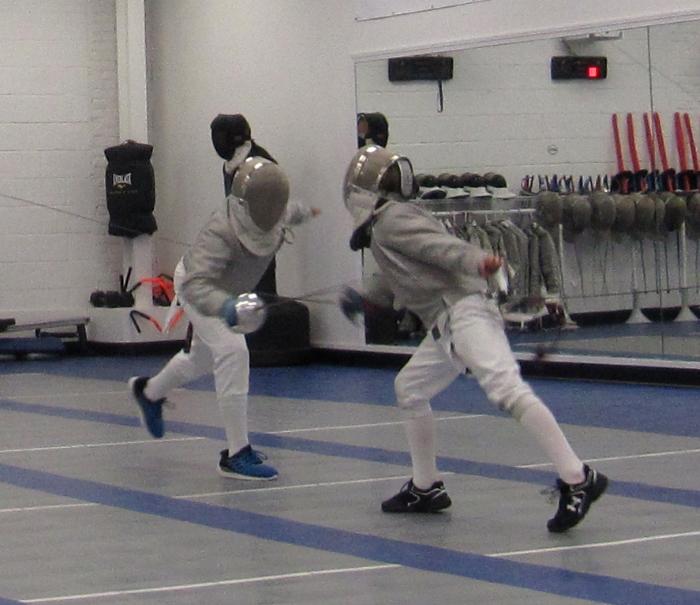
Competitive youth athletes need coaches who can recognize individual strengths, identify areas for improvement, set realistic goals, and help translate training into performance under competition pressure.

FAB’s competitive program is led by experienced coaches Vitaliy Nazarenko and Serhiy Shaposhnykov, bringing decades of fencing, coaching, athlete development, and international competitive experience to the training environment.

Vitaliy Nazarenko, FAB’s Head Coach and Club Owner, is an International Master of Sport in saber with more than 35 years of fencing experience. His students have earned results at World Championships, USA Fencing National Championships, North American Cups, and other major competitions. He also previously coached saber at Harvard University.

Serhiy Shaposhnykov holds a Bachelor’s degree in Physical Culture and Sports with a specialization in fencing coaching. His international coaching experience includes work in Ukraine and Spain, serving as head coach and founder of fencing clubs, and developing athletes who have competed at European and World Championships. He also holds the title of national referee across all three fencing weapons.

Together, FAB’s coaches help competitive fencers develop the technical, tactical, physical, and mental skills that increasingly matter in competition—distance, timing, preparation, execution, decision-making, adaptability, confidence, and resilience.

At FAB, competitive development is not measured only by medals. Discipline, consistency, sportsmanship, effort, and the ability to learn from both victories and defeats are essential parts of becoming a stronger athlete and fencer.

Frequently Asked Questions

Learn how competitive placement, training, equipment, tournaments, and progression work at FAB.

Who is the Competitive Class for?

FAB’s Competitive Class is designed for youth fencers ages 9–15 who are ready for more intensive saber training and competition-oriented development.

Placement is based on the individual fencer’s fundamentals, maturity, consistency, motivation, and coach evaluation—not simply age or how many years the child has fenced.

Most students entering the Competitive Class already have a foundation in fencing.

At FAB, many children begin building that foundation through Fabbies at ages 6–9 and later transition into competitive development.

Students who discover fencing at ages 9–14 are also welcome. They can begin with Youth Beginner, develop the required skills, and progress toward Competitive when ready.

A child does not need to have started fencing at a young age to eventually become a competitive fencer.

Yes.

Youth Beginner is one pathway into the Competitive Class. Some students may need several terms to develop their fundamentals, while others may progress more quickly.

FAB coaches consider the whole fencer—including technique, movement, focus, training consistency, tactical understanding, maturity, and motivation—when recommending the next level.

Fabbies gives children ages 6–9 time to develop important foundations before competitive pressure becomes the focus.

Young students can build movement, coordination, blade familiarity, listening skills, practice habits, confidence, and comfort with bouting over time.

As those skills mature, the transition into competitive training can become a natural next step.

Fabbies is a strong pathway into competition, but it is not the only pathway.

No.

Some children fence recreationally, some need additional time to develop, and some eventually become interested in competition.

Progression depends on the individual child’s skills, development, interest, consistency, and readiness.

Competitive fencing requires more consistent training than beginner programs.

FAB’s competitive program is structured around multiple weekly practices along with individual coaching and regular bouting. Families should review the current training schedule and expectations with the coaching team before enrolling.

Yes. Individual coaching is an important part of FAB’s competitive training model.

Private instruction allows coaches to work directly on a fencer’s technique, tactical decisions, specific weaknesses, and tournament goals in ways that complement group practice.

Competitive fencers are expected to transition to their own properly fitting fencing equipment as they progress.

This is different from FAB’s beginner programs, where equipment can be provided while students are first learning the sport.

The coaching team can advise families on what equipment is needed and when it makes sense to purchase it.

Tournament participation is an important part of competitive development.

Competition gives athletes the opportunity to apply what they practice, fence unfamiliar opponents, experience pressure, evaluate progress, and discover what to work on next.

The appropriate tournament level depends on the fencer’s age, experience, readiness, and competitive goals.

Yes. USA Fencing membership is required to fence at FAB, and fencers participating in USA Fencing-sanctioned competitions need the appropriate membership level for competition.

Families should review the current USA Fencing requirements before entering tournaments.

The current Competitive Class tuition is $700 per month.

Families should review the current registration information for term dates, training schedule, what is included, and applicable tournament or equipment expenses before enrolling.

The best next step is to speak with the FAB coaching team.

Current FAB students can receive guidance from their coaches based on their development in Fabbies or Youth Beginner.

Families coming from another fencing club—or families with a child who has fencing experience from another program—can request an evaluation so the coaching team can determine the most appropriate training level.

Ready for the Next Level?

Competitive fencing is a journey built through strong fundamentals, consistent training, individual coaching, competition experience, and the willingness to keep learning.

Whether your child has grown through FAB’s Fabbies pathway, developed through Youth Beginner, or is arriving at FAB with experience from another fencing program, our coaching team can help determine the appropriate next step.

For youth ages 9–15 who are ready for the challenge, FAB’s Competitive Saber Class provides a structured path to train, compete, learn, and continue growing as a fencer.